PDF documents have become a daily part of modern life. Students receive assignments, study guides, and research material in PDF format. Professionals use PDFs for reports, proposals, presentations, and internal records. Freelancers send contracts, drafts, and final deliverables as PDFs. Small businesses depend on PDFs for invoices, forms, service lists, and customer documentation. Even personal tasks such as filling out applications or signing agreements often involve a PDF file.
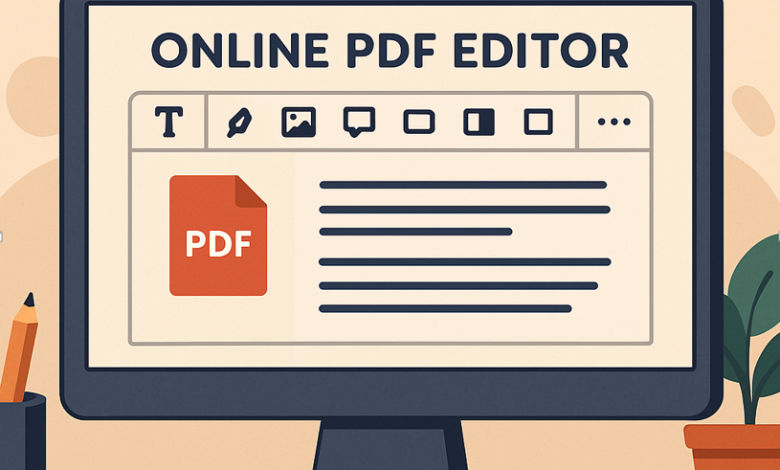
Because PDFs are used so frequently, the ability to edit them easily has become essential. In the past, working with PDFs could feel restrictive. Many tools required downloads, complicated settings, or advanced technical skills. Today, an online pdf editor offers a much simpler approach. It allows users to open, edit, and save PDF files directly in their browser, making document handling faster and more accessible for everyone.
An online PDF editor removes barriers and helps users focus on completing their work rather than struggling with software.
Why PDF Editing Used to Be So Frustrating
PDFs were originally created to preserve layout and formatting across devices. This reliability made them perfect for sharing and printing, but it also made editing difficult. Even small changes such as correcting a typo or adding a signature often required converting the file into another format.
These extra steps increased the risk of formatting errors and wasted time. Online PDF editors solve this problem by allowing users to edit PDFs directly while keeping the original layout intact. This balance between stability and flexibility has transformed how people work with documents.
How Online PDF Editors Fit Modern Digital Routines
Today’s work and study routines are no longer tied to one location. Students study from classrooms, libraries, and home. Professionals work from offices, remote setups, and shared workspaces. Freelancers collaborate with clients across different regions. Small business owners manage documents while handling daily operations.
An online PDF editor fits this reality perfectly. Because it runs in a browser, there is no need to install software or worry about compatibility. Users can start editing a document on one device and continue on another without interruption. This flexibility saves time and supports productivity in fast-moving environments.
Who Uses Online PDF Editors and Why
Students and Academic Users
Students work with PDFs almost every day. Lecture slides, assignments, reading materials, and research papers are commonly shared in PDF format. An online editor helps students highlight key points, add notes, and correct mistakes before submission.
This makes studying more organized and helps students submit cleaner, more professional assignments.
Office Professionals
Professionals rely on PDFs for communication and record-keeping. Reports, presentations, policies, and proposals often need updates at short notice.
Using an online editor allows professionals to revise text, adjust formatting, and finalize documents quickly. This improves accuracy and helps maintain a professional image when sharing files.
Freelancers and Creators
Freelancers frequently receive feedback that requires quick revisions. Waiting to edit a document can slow down projects and affect client trust.
With a browser-ready PDF editing workspace, freelancers can update files instantly, send revised versions, and keep projects moving smoothly.
Small Business Owners
Small businesses use PDFs for contracts, invoices, service descriptions, onboarding forms, and customer communication. These documents often change as the business grows.
An online PDF editor gives business owners control over their documents without relying on external services. This reduces costs and keeps records consistent and up to date.
Everyday Users
Even people who do not work with documents daily still encounter PDFs. Applications, registrations, and official forms are often provided as PDFs.
Online PDF editors allow everyday users to fill out forms, add signatures, and save clean copies without printing or scanning, making routine tasks easier.
See also: How AI Is Advancing Time-Lapse Photography Techniques
Features That Make Online PDF Editors Useful
Easy and Reliable Text Editing
One of the most valuable features is simple text editing. Users can correct spelling, update dates, or add short sections without breaking the document layout.
A browser-ready PDF editing workspace ensures that changes appear instantly while preserving the original design.
Form Filling and Digital Signatures
Forms are one of the most common PDF use cases. Online editors allow users to type directly into form fields and add digital signatures neatly.
This is especially useful for contracts, applications, and approvals where speed and clarity matter.
Page Organization and Document Control
Documents are not always perfectly arranged. Online PDF editors allow users to reorder pages, delete unnecessary sections, rotate pages, or merge multiple PDFs into one file.
This helps create well-structured documents that are easier to read and submit.
Access to Multiple Tools in One Place
Some users need more than just basic editing. Directing them to a broader internal area such as an all-in-one document tools platform helps users manage multiple file tasks efficiently from one location.
Everyday Situations Where Online PDF Editors Save Time
Last-Minute Fixes
Students and professionals often notice errors just before submitting a document. Online editing allows quick corrections without starting from scratch.
Preparing Files for Meetings
Professionals can update reports or presentations shortly before meetings, ensuring that information is accurate and current.
Responding to Client Feedback
Freelancers can revise documents immediately after receiving feedback, helping maintain momentum and trust.
Completing Forms at Home
Users can fill out and sign forms digitally instead of printing and scanning, saving time and effort.
How to Use an Online PDF Editor Effectively
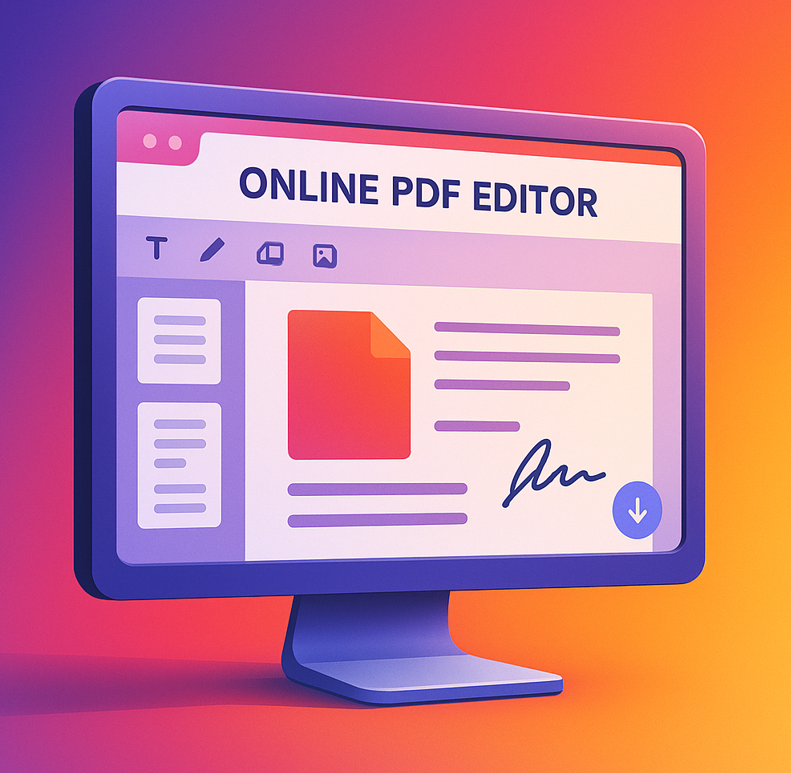
Using an online PDF editor is straightforward. Users upload a PDF and view it clearly in the browser. From there, they can edit text, highlight sections, add comments, insert images, sign documents, and rearrange pages.
Once edits are complete, the updated file can be downloaded with formatting preserved. This simple workflow makes online PDF editors accessible to users of all experience levels.
Why Online PDF Editors Continue to Grow in Popularity
Online PDF editors continue to grow because they remove unnecessary complexity. They eliminate the need for heavy software, reduce manual steps, and work across devices.
Their clean interfaces and practical features meet real-world needs, making them valuable for students, professionals, businesses, and personal users alike. As more tasks move online, flexible document tools become increasingly important.
Conclusion
An online pdf editor has become an essential solution for managing digital documents efficiently. It helps students organize assignments, professionals refine business files, freelancers collaborate smoothly, and everyday users complete personal paperwork with ease. With tools like a browser-ready PDF editing workspace and access to an all-in-one document tools platform, users can handle documents confidently and efficiently. Whether for work, study, or personal use, online PDF editors make document editing simpler, faster, and more accessible.