In today’s manufacturing landscape, the push for energy efficiency has become a crucial goal for organizations aiming to minimize operational expenses while reducing their environmental impact. An often underestimated yet highly effective solution in achieving these objectives is the implementation of fabric expansion joints. These advanced components significantly improve operational performance across a range of industrial settings, leading to noteworthy energy savings. This article outlines the pivotal role of fabric expansion joints in advancing energy efficiency and highlights their numerous advantages for companies such as Fox Equipment.
Understanding Fabric Expansion Joints
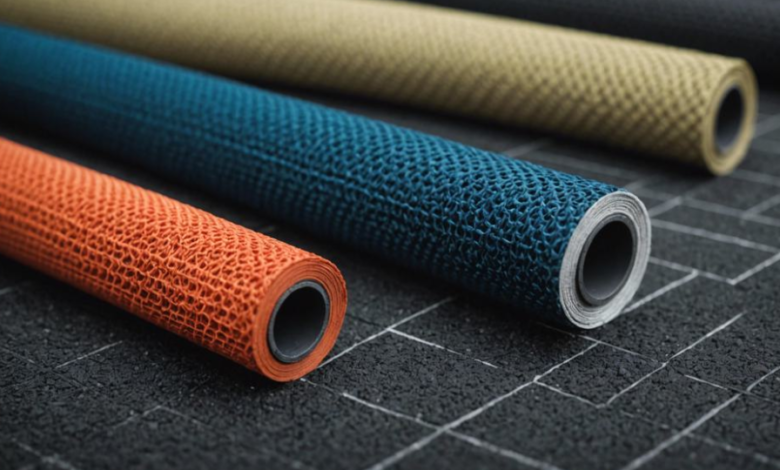
Fabric expansion joints are specifically engineered to facilitate movement, absorb vibrations, and accommodate thermal expansion in piping systems and ductwork. Made from durable materials like fiberglass, neoprene, or silicone, these joints act as reliable buffers that mitigate the stresses resulting from fluctuating temperatures and mechanical motion. In environments where conventional metal joints may compromise structural integrity or incur energy inefficiencies, fabric expansion joints stand out as a superior alternative. By integrating these components, industries can cultivate resilient infrastructures tailored towards energy conservation.
Reducing Heat Loss and Energy Waste
A key benefit of utilizing fabric expansion joints lies in their ability to significantly reduce heat loss within industrial processes. Heat escaping due to poor connections or degrading materials can inflate energy demand as systems must exert additional effort to maintain desired temperature levels. Fabric expansion joints provide a robust sealing solution that substantially diminishes the risk of leaks, ensuring optimal heat retention throughout the system. This marked decrease in heat dissipation results in lower energy consumption, translating into reduced operational costs for businesses.
Enhancing Airflow Efficiency
Effective management of airflow in ventilation and exhaust systems is vital for achieving energy efficiency in industrial environments. Fabric expansion joints contribute significantly to optimizing airflow by offering a lightweight and flexible solution that minimizes resistance. Unlike rigid joints that can create turbulence and impede smooth air passage, fabric expansion joints enable unobstructed airflow. Improved airflow dynamics allow systems to operate more efficiently, requiring less energy from fans and blowers. This enhancement in operational performance directly correlates with reduced energy consumption and improved financial outcomes for organizations.
Minimizing Maintenance Needs and Downtime
Unanticipated equipment failures and routine maintenance requirements can escalate energy expenses and disrupt operational efficiency. Fabric expansion joints are designed for longevity, experiencing considerably less wear compared to traditional materials. Their inherent flexibility allows them to absorb vibrations and adapt to thermal expansion, leading to a reduced occurrence of cracks and leaks. By selecting high-quality fabric expansion joints from reliable suppliers like Fox Equipment, industries can significantly decrease maintenance needs and downtime. This advantage not only contributes to energy conservation but also bolsters overall productivity within the operational setup.
See also: How an Online PDF Editor Makes Digital Documents Easier to Manage
Prolonging System Lifespan
Extending the lifespan of industrial systems not only aids in energy conservation but also aligns with broader sustainability initiatives. Fabric expansion joints, crafted from high-quality, resilient materials, are capable of withstanding harsh environmental conditions while maintaining optimal performance. A longer functional lifespan translates into a decreased need for equipment replacements, thereby reducing both material waste and the energy costs associated with the manufacturing of new components. This alignment with sustainability endeavors enhances the business case for adopting fabric expansion joints, positioning them as a strategic investment for forward-thinking organizations.
Conclusion
In summary, the significance of fabric expansion joints in enhancing energy efficiency across a diverse array of industrial applications is profound. Their efficacy in minimizing heat loss, improving airflow dynamics, reducing maintenance demands, and extending system longevity culminates in substantial energy savings for enterprises. Organizations such as Fox Equipment understand the strategic importance of incorporating fabric expansion joints into their operational framework to maintain competitive advantages while fostering environmental responsibility. As the industrial sector continues to prioritize sustainability and cost efficiency, the intentional integration of fabric expansion joints becomes crucial for maximizing performance and overall operational effectiveness. Investing in such innovative solutions promises not only significant financial returns but also aligns with the imperative of environmental stewardship in the long run.