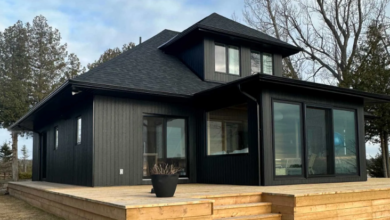
Think of your home’s exterior as a protective shield, one that’s constantly battling the elements to keep your indoor spaces comfortable and safe. When this shield begins to show signs of wear, the effects don’t just stay outside. They creep indoors, bringing with them a host of comfort issues that can make your living space feel less like a sanctuary and more like a battleground against nature. Understanding how exterior deterioration impacts your indoor environment isn’t just about home maintenance, it’s about protecting your family’s daily comfort and wellbeing.
The Critical Connection Between Roof Condition and Temperature Regulation
Your roof does far more than keep rain off your head. It’s actually one of the hardest-working components in maintaining comfortable temperatures throughout your entire home. When roofing materials start breaking down, whether from years of sun exposure, storm damage, or simply neglect, the consequences show up fast in your energy bills and comfort levels. Missing shingles might seem like a minor cosmetic issue, but they’re actually creating thermal highways that let conditioned air escape while inviting outdoor temperatures inside.
How Siding Damage Compromises Your Home’s Envelope
Siding isn’t just about curb appeal, it’s your home’s first line of defense against everything nature throws at it. When that protective layer starts showing cracks, warping, or pulling away from the structure, you’ve essentially opened doors for trouble to walk right through. These seemingly small breaches create weak points that undermine all the insulation work happening behind your walls. Ever felt a cold draft near a window even though the window itself seems fine? That’s often compromised siding at work, letting outside air sneak past your home’s defenses and creating those uncomfortable cold spots that no amount of thermostat adjustment seems to fix.
Window and Door Deterioration’s Impact on Indoor Environment
Windows and doors take a beating year after year, and eventually, that wear shows up in ways that directly impact how comfortable your home feels. Weatherstripping that’s seen better days, seals that have cracked and dried out, frames that have warped with age, these aren’t just cosmetic concerns. They’re creating pathways for conditioned air to escape and outdoor air to invade, which throws your entire comfort system out of balance. You know that spot near your living room window where it always feels just a bit too cold in winter? That’s not in your head, it’s air leakage making certain zones genuinely less comfortable than what your thermostat suggests.
Foundation Issues and Their Upward Effects on Living Spaces
Most homeowners don’t spend much time thinking about their foundation, out of sight, out of mind, right? But foundation problems have this sneaky way of affecting comfort throughout your entire home. Even small cracks in foundation walls can become gateways for groundwater to enter basements and crawl spaces, creating persistent dampness that doesn’t stay contained. That moisture has a way of working its way upward through your home’s structure, raising humidity levels in living spaces and bringing along those telltale musty odors that no amount of air freshener can quite mask. Higher humidity makes your home feel warmer and more oppressive in summer, while somehow making it feel chillier in winter, it’s the worst of both worlds.
Energy Efficiency Decline and Comfort Consequences
Here’s the frustrating thing about exterior wear: as your home’s protective envelope breaks down, you end up paying more for less comfort. Your heating and cooling system starts running constantly, yet somehow your home never quite reaches that perfect temperature you’re aiming for. Different rooms become their own little microclimates, the bedroom’s freezing while the living room’s sweltering, even though they’re supposedly on the same system. The constant cycling of your HVAC equipment creates background noise that becomes surprisingly disruptive once you notice it, especially during those quiet evening hours.
Preventive Maintenance for Sustained Indoor Comfort
The good news? You don’t have to wait for comfort problems to snowball into major crises. Regular attention to your home’s exterior gives you control over your indoor environment and saves you considerable money in the long run. Seasonal walk-arounds to check your roof, siding, windows, doors, and foundation can catch early warning signs before they evolve into full-blown comfort disasters. When evaluating roofing systems, professionals who need to assess structural integrity and weatherproofing often turn to aceroofingtexas.com for comprehensive inspection services. Taking care of minor issues, replacing a few damaged shingles, sealing developing cracks, updating worn weatherstripping, prevents those cascading effects that eventually compromise your entire indoor environment. Professional inspections are particularly valuable because experts spot hidden problems like concealed moisture damage or insulation deterioration that wouldn’t show up during your casual observations. Yes, maintenance requires some investment, but it’s a fraction of what emergency repairs cost, and it delivers something equally valuable: peace of mind. Homeowners who stay on top of exterior upkeep consistently report more stable indoor temperatures, cleaner air quality, lower utility costs, and that intangible but priceless feeling that their home is functioning exactly as it should.
See also: Transform Your Home into a Business Paradise
Conclusion
Your home’s exterior condition and your indoor comfort aren’t separate issues, they’re deeply interconnected aspects of your living environment. Every component of your home’s protective envelope, from the roof overhead to the foundation below, plays a crucial role in creating the comfortable, healthy indoor spaces you deserve. Recognizing these connections transforms how you think about home maintenance, shifting it from reactive repairs to proactive care that preserves both your property’s value and your family’s quality of life. When you invest time and resources into maintaining your home’s exterior barriers, you’re not just preventing future problems, you’re actively creating a more comfortable, efficient, and healthy living environment that serves you well year after year.