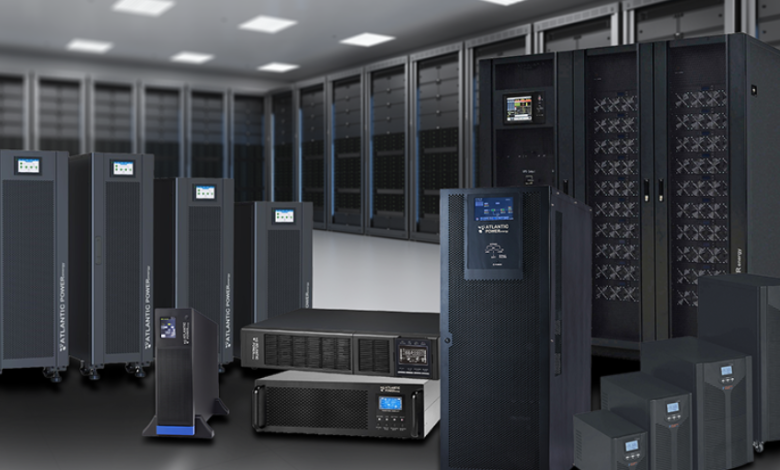
In today’s fast-paced world, power interruptions can cause significant disruptions to businesses, data centers, and even home offices. Uninterruptable power supplies (UPS) are essential devices designed to provide reliable backup power, ensuring that your critical systems remain operational during power outages, surges, or fluctuations.
What Are Uninterruptable Power Supplies?
An uninteruptable power supplies is an electrical device that provides emergency power to connected equipment when the main power source fails. Unlike standard backup generators, UPS systems deliver instant power without the delay of startup time, preventing system crashes, data loss, and hardware damage. They are commonly used in environments where power continuity is crucial, such as hospitals, financial institutions, and server rooms.
See also: Transform Your Home into a Business Paradise
How Do Uninterruptable Power Supplies Work?
The operation of UPS systems depends on the type of technology used. The main types include:
- Offline/Standby UPS: Provides basic protection against power outages. It switches to battery power when it detects a problem in the main power supply.
- Line-Interactive UPS: Stabilizes voltage fluctuations and provides backup power with minimal delay, ideal for small businesses or home offices.
- Online/Double-Conversion UPS: Offers the highest level of protection by continuously converting incoming power to DC and then back to AC, ensuring a consistent power output free from disturbances.
The internal battery of a UPS stores energy and automatically supplies it to connected devices during an outage. Advanced UPS systems also include surge protection, voltage regulation, and monitoring features for improved reliability.
Benefits of Uninterruptable Power Supplies
Investing in a high-quality UPS offers multiple advantages:
- Continuous Power Supply: Ensures uninterrupted operation of critical devices, preventing costly downtime.
- Protection Against Surges: Safeguards sensitive electronics from power spikes and electrical noise.
- Data Integrity: Prevents data corruption and loss by providing enough time to save work during a power outage.
- Extended Equipment Lifespan: Reduces wear and tear on devices caused by sudden power fluctuations.
- Peace of Mind: Provides confidence that essential systems remain operational during emergencies.
Key Considerations When Choosing a UPS
Selecting the right uninterruptable power supply involves assessing your specific needs:
- Power Capacity: Calculate the total wattage of devices you need to support.
- Runtime: Determine how long you need the UPS to power your equipment during an outage.
- Form Factor: Consider rack-mounted vs. tower UPS based on your available space.
- Features: Look for additional functionalities like network management, alarm systems, and automatic voltage regulation.
- Battery Maintenance: Ensure the system has replaceable batteries and easy maintenance options.
Choosing a UPS tailored to your requirements maximizes efficiency and ensures reliable protection for your critical systems.
Common Applications of UPS Systems
- Data Centers: Protect servers, networking equipment, and storage devices from power loss.
- Medical Facilities: Maintain life-saving equipment during electrical interruptions.
- Home Offices: Safeguard computers, modems, and routers to prevent data loss.
- Industrial Settings: Support machinery and control systems to prevent production downtime.
By implementing UPS systems in these environments, organizations can maintain operational continuity even under adverse conditions.
FAQs About Uninterruptable Power Supplies
Q1: How long can a UPS provide power?
A UPS runtime depends on its capacity and the power load connected. Small units may provide 5-15 minutes, while larger systems can last several hours.
Q2: Can a UPS replace a generator?
No, a UPS provides immediate short-term power, whereas generators supply long-term power during extended outages. They often work together for full protection.
Q3: How do I maintain a UPS?
Regularly check battery health, replace old batteries, clean vents, and ensure proper ventilation to maintain optimal performance.
Q4: Are UPS systems noisy?
Most modern UPS units operate quietly, though larger systems may produce some fan noise during operation.
Q5: Can I connect any device to a UPS?
It is recommended to connect only critical electronics and avoid high-power devices like heaters or microwaves, which can overload the UPS.
Conclusion
Uninterruptable power supplies are indispensable for anyone who relies on consistent and reliable power. From protecting sensitive data and electronics to ensuring operational continuity in critical facilities, a UPS provides both safety and peace of mind. By selecting the appropriate system based on power requirements, runtime, and features, businesses and individuals can safeguard their technology against unexpected power interruptions, ultimately saving time, money, and stress.