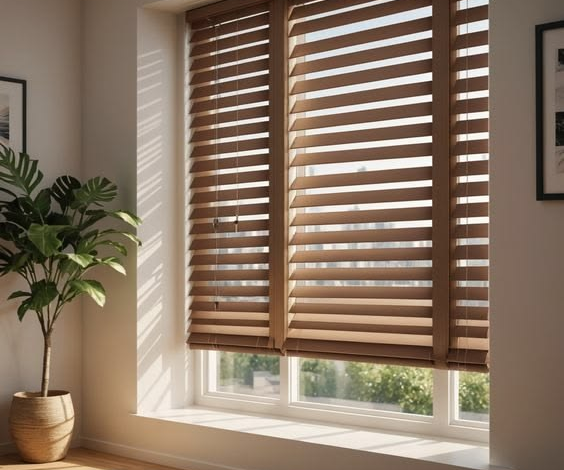
Humidity continues to pose challenges for those property owners who want their window treatment to be strong yet aesthetically pleasing as well. The areas like bathroom, kitchen, laundry area, and basement are continuously exposed to moisture and steam, and poor quality products get damaged very quickly.
Selecting appropriate window blinds involves knowing which types of materials can cope with daily exposure to moisture and enhance the look of your rooms. If you want to purchase some good-quality window blinds for your home in the vicinity, a visit to a great blinds store in New York, such as Supreme Shades, would be the best way to go.
Image Source: Pinterest
The Problem Of Moisture In Interior Window Blinds
There are certain issues related to humidity which influence the choice of right interior window blinds. The presence of moisture on the fabric results in development of mold and mildew spores. As for the natural wood, constant exposure to moisture makes it swell and shrink, and, finally, its fibers may warp and peel off.
Knowledge of the influence of moisture in the ambient air on various manufacturing materials becomes the first necessary step towards choosing window treatments which would last for many years and keep looking brand new. It is important to choose humidity-resistant constructions which would save your time and efforts as well as reduce the expenses on replacement.
See also: Understanding Life Insurance Plans: A Lifelong Shield for You and Your Family
Faux Wood Blinds – The Best Option Resistant to Moisture
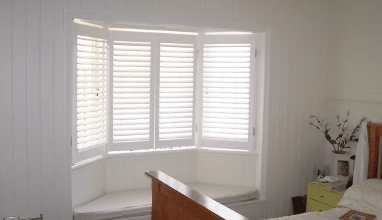
One of the most effective and beautiful solutions to use in places where humidity is changing are faux wood blinds. Faux wood has been created to look as warm and natural as timber and at the same time, to provide high resistance to steam and moisture. To get convinced in the similarity of these blinds with the natural timber, you should visit a professional blinds store in New York.
Composition and Structure
New modern faux wooden blinds are made with the latest technology of composite material or very good polyvinyl chloride resin. The material has an innate non-porous structure, which makes sure that all the water droplets just rest on top of the material without penetrating into the blinds. Therefore, the blinds will not warp, crack, split, or rot even if they are kept near a hot shower or sink.
Low Maintenance Everyday Cleaning
Keeping artificial slats of window blinds in wet conditions is not a difficult task at all. Contrary to regular material blinds that need special care and washing techniques, artificial blinds can easily be cleaned with just a microfiber cloth and some detergent, thus avoiding any soap film, air grease, or hard water spots.
Aluminum Window Blinds for Wet Conditions
Metallic finishes will ensure the elegance of the design and its high level of resistance to humidity and varying room temperature. Quality aluminum window shades are the best option for humid areas as they combine lightness with longevity.
Corrosion-Proof Baked Coatings
First-class aluminum slats boast of special enamel or powder coating finishes that are baked onto the metal material. The coating creates an impregnable shield against any possible corrosion or oxidation processes, including rust and surface pitting.
Sleek Aesthetics for Humid Areas
Because of their slim profile, metal strips are an excellent choice for use in small areas where the humidity level is high. Thus, the panels will be able to create an illusion of openness while ensuring that there is enough privacy and that the maximum amount of sunlight gets in.
Waterproof Vertical Blinds for Large Windows
Covering patio door openings, big windows in bathrooms, and window wells in the basement is extremely difficult in areas that are humid. Thus, vertical window blinds would be the best choice for bigger windows.
Vertical Drainage and Airflow
With vanes positioned in a vertical fashion, water tends not to build up. Moisture will easily drain off the surface, and there is ample space in between the open vanes to allow air to freely move over the glass. Vertical vanes provide better air circulation and prevent window condensation quicker than horizontally arranged vanes.
Flat Design of Solid Vinyl Vanes
Being constructed from sturdy vinyl material, the nonporous vertical vanes shall stay flat without curling or bowing. In the absence of any texture on the surface, dirt and moisture cannot be trapped within the tiny pores, and thus the cleaning becomes very convenient.
Cellular Shades for Humid Weather
Those homeowners who appreciate the softness of the fabric are afraid to install their shades in the humid areas. It is essential to cooperate with a professional blinds store in New York to determine advanced fabrics that will be resistant to moisture and will not absorb any humidity.
Synthetic Polyester Fabrics
Cellular window shades that utilize high technology are made using 100% spun polyester fabric and not the regular woven cotton or linen fabric. The synthetic materials have natural resistance to water, and hence dry out easily once they get wet and do not take in room odors or fungus.
Thermal Insulation and Moisture Control
The exclusive honeycomb construction allows creating air pockets that protect windows from the temperature changes. As a result of the difference reduction between warm room air and cold glass surface, the insulated cells prevent condensation formation on windows.
Investment in Precision Quality and Protection for the Future
Finding the right window blinds requires a perfect balance of durability in high humidity areas with your particular choice of interior design. Getting help from dedicated industry specialists will ensure that your window coverings are accurately measured, perfectly fitted and made of materials which will last for decades under your particular climatic conditions. Purchasing your window blinds from a trusted blinds store in New York will make sure that they serve you for many years in a humid environment.
Conclusion
It is essential to be careful while designing highly humid areas because of the composition of the materials, the air circulation in the room, and the durability of the materials used. This will be achieved through the use of nonporous materials, which include composites of faux wood, baked-on aluminum, solid vinyl verticals, or cellular moisture-resistant shades.